
Set the direction
Choose the audience, the business goal and the point of view your media should be known for. Decide which formats deserve the team’s time.
Build an audience that knows your business, trusts your expertise and comes back.
Adam Spencer works inside your team to set the direction, lead the editorial work and build the way your media runs.
For established businesses, venture firms and institutions ready to put someone in charge of their media.
Your business has expertise worth sharing. You may already have a podcast, a newsletter or people making content. The hard part is deciding what deserves attention, getting everyone working towards it and knowing whether it is helping.
Adam takes on that leadership. He connects what you publish to what the business needs, gives the team clear direction and stays involved as the work goes out.
The aim is a media capability that gets stronger over time. A recognisable point of view. Formats people return to. An audience you can reach again. A team that knows how to keep it running.
Choose the audience, the business goal and the point of view your media should be known for. Decide which formats deserve the team’s time.
Turn the expertise inside your business into recurring shows, useful stories and a clear publishing plan. Give hosts, writers and producers a brief they can act on.
Lead your team and production partners. Set responsibilities, review standards and a workable rhythm. Help define and hire the roles you need as the programme grows.
Review who is paying attention, what brings them back and which conversations the work helps start. Use that evidence to choose the next month’s priorities.
Your business has expertise, experience and a point of view. Building owned media gives that work a regular home and gives people a reason to keep hearing from you.
That matters when content is easy to produce and attention is hard to earn. Original conversations, firsthand evidence and useful judgement help people understand what you know and why they should trust you.
A show, newsletter and website can work together to build that familiarity long before someone needs to buy from you. You keep developing the audience, the catalogue and the relationships with each release.
Use social platforms for discovery, then bring interested people back to a website and subscriber list you control. That reduces how much your next conversation depends on a feed change.
The Australian Financial Review decides which stories to cover, whose voices to include and when a topic deserves attention. Its editorial priorities are its own. They don’t exist to advance your business.
Your ability to reach customers, founders or partners shouldn’t depend on those priorities lining up with yours. Build a place to explain your work in depth, challenge accepted thinking and cover the questions your audience actually cares about.
You choose the subjects, the voices and the publishing rhythm. People can hear from you regularly and decide for themselves whether your thinking is useful.
A media ecosystem connects discovery, depth and a reason to return.
Use interviews and original stories to explore the decisions your audience faces. Bring your expertise and the people who can add to it.
Share useful moments through social and video platforms. Give people a clear route to the full conversation and your own publication.
Invite people to subscribe, then send something worth opening. Build a direct way to reach them again through a list your business controls.
Give the show, articles and resources a lasting home. Your sales team, guests and audience can keep sharing the pieces that answer a specific question.
In 6sense’s 2026 study of 4,611 recent B2B buyers, the vendor preferred before seller contact won 82% of the time.
Edelman and LinkedIn’s 2026 research also highlights the value of original thinking, evidence and human judgement as AI changes how buyers find and evaluate information.
Our approach is to earn that familiarity through useful work people choose to follow. Over time, your expertise, guest relationships, subscriber list and catalogue give the next release somewhere to start.
Start with the people you want to reach and the action you want them to take.
Illustrative plans to show how the role works. Your programme is shaped around your business.
B2B business
Venture firm
Institution or community
Hands-on leadership from Adam, backed by people who can do the work.
This is the starting rhythm. We agree on meeting time, review capacity and responsibilities in your scope.
A short working meeting with your lead. Resolve editorial decisions, unblock the team and review the next work due for release.
You leave with decisions, owners and the next actions.
An editorial session to develop stories, guests and angles. Adam reviews the agreed priority work with the people making it.
You leave with usable briefs and specific feedback.
Review audience behaviour alongside subscriber growth, enquiries and useful conversations. Agree what to continue, change or stop.
You leave with a short performance review and next month’s plan.
Check the programme against business priorities, delivery capacity and budget. Adjust the formats, channels and team where the evidence supports it.
You leave with a refreshed roadmap and resource priorities.
Strategy, editorial priorities, team direction, key reviews and the monthly performance conversation.
Customer knowledge, subject expertise, access to the people in your business and a lead who can make decisions with Adam.
Your producer, internal team or W2D1 turns agreed briefs into finished work and publishes it through the agreed channels.
A focused starting plan you can judge.
We begin with a manageable programme, a clear owner and a way to learn. The roadmap sets out what the team will work on and what you will have at each stage.
Talk to the people closest to your customers. Review your existing work, channels and team. Choose one audience and one business objective.
Media brief · starting baseline · first format and distribution plan
Run the first editorial cycle. Brief the team, review the work and test how to get it in front of the people you want to reach.
Editorial calendar · working briefs · publishing responsibilities
Review the response and the effort it took. Decide which work to repeat, what to improve and where extra people or budget would help.
First-quarter review · next-quarter plan · team and budget recommendations
Already have production covered? Adam can lead the people you work with now.
A monthly leadership retainer, scoped to Adam’s role and time. Production and publishing are priced separately, so you can see what each part costs.
The experience behind the role includes developing shows and working inside established media teams.
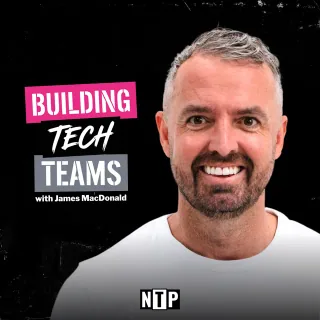
An ongoing media partnership with James MacDonald
55,906 podcast plays
1–30 September 2026
We helped develop the show for NTP Talent and run its production and distribution. Our work with James now includes performance review, editorial guidance and a practical pre-interview workflow.
Read the Building Tech Teams case study
Original concept, show development and audience growth
From zero to over 350,000 podcast plays
Built from scratch for Georgie Healy
We conceived and developed the show for Georgie, creating the format and the production, publishing and distribution system behind it. Georgie led the interviews, editorial voice and guest relationships.
Read the In the Blink of AI case study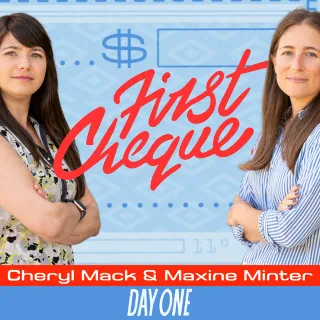
Show development and ongoing delivery
We developed a show around the questions founders have about early-stage investing, then ran the editorial planning, production and distribution with its hosts.
Read the First Cheque case study
A production partner inside Blackbird’s media operation
W2D1 was Blackbird’s post-production partner across multiple seasons. Blackbird owns the show and publishes it through its own channels.
Read the Wild Hearts case studyWithout W2D1, I wouldn't be able to run Wild Hearts.
Yes. Adam can lead the strategy and editorial work while your producer keeps making the show. We agree on who owns briefs, reviews, publishing and measurement before starting.
No. The starting point is your audience and business goal. The right programme might use interviews, a newsletter, video, events or a combination. We choose a format your team can sustain.
Owned media is a show, newsletter or publication built around your expertise, with your own website and subscriber list at its centre. It gives you a regular way to reach people without waiting for the AFR’s editorial priorities to line up with yours. Your media ecosystem connects discovery, useful content and reasons to return, so each release builds on the audience and trust you already have.
The monthly leadership fee is scoped to Adam’s time, the number of programmes and the team he will lead. After the first conversation, you receive a written scope covering his responsibilities, the working rhythm and the fee. Any production or publishing work is listed separately.
Yes. They are part of the leadership role described here. W2D1’s standalone production and distribution packages have their own scope. Day One distribution includes a short placement recap and dashboard access. Performance reporting is a paid add-on to those packages, and strategy is a separate engagement.
Day One Network distribution can be scoped separately where it fits the audience. This engagement starts with building your business’s media capability and the channels it owns.
We agree on a starting baseline and the actions you want from the audience. The monthly review covers reach, return visits or listens, subscribers and relevant enquiries or conversations. We distinguish tracked actions from outcomes that cannot be reliably attributed.
Bring that question to a 25-minute conversation with Adam.
We’ll talk about your audience, what is already happening and where leadership would help. If there is a fit, you get a written scope for the role, the first 90 days and the monthly fee.
Book a conversation with AdamPrefer email? Use the short brief here or write to [email protected].
Prepare a short email about your business and the job you want media to do.