
She grew from roughly 200 followers to almost 100,000 by publishing one or two posts a day for nearly three years. The podcast came after the audience, and the audience became a way to win founder access.
Analysis by W2D1 Media Editorial.
In September 2021, Nichole Wischoff had recently closed her first US$5 million venture fund and had about 200 followers on Twitter.
Two friends told her that, now she was a venture capitalist, she had to start posting. One of her first successful tweets joked that raising a US$5 million fund was ten times easier than gaining 500 Twitter followers. Those friends shared it with their much larger audiences, helping Wischoff reach her first 1,000 followers.
That early boost mattered. It was also a small part of what followed.
Wischoff spent the next three years publishing one or two posts a day. By late 2024, she was approaching 100,000 followers on X. She had also developed substantial audiences on TikTok and LinkedIn, launched a podcast and turned her online presence into part of the operating system of her venture firm.
The sequence is worth paying attention to. Wischoff developed a recognisable voice through short-form social publishing, then used podcasts and newsletters to deepen the relationship. By the time she launched a show, much of her intended audience already knew who she was.
Distribution before production
Wischoff had useful material to work with from the beginning.
Before starting her fund, she had worked inside several technology companies, helping to build products, hire teams and raise capital. She was also investing while still working as an operator. This gave her first-hand experience of the subjects she discussed online.
In a January 2025 interview with How I Invest, Wischoff described brand building as a core part of the firm from its earliest days. Twitter was the main channel, followed by LinkedIn and TikTok. The purpose was practical: founders needed to know who she was and have a reason to take her call.
That is an important distinction. Her content was tied to a specific business problem.
Early-stage venture firms compete for access to founders before those founders have announced a company or started a formal fundraising process. Larger firms may have established networks and institutional reputations. A new solo fund needs another way to become visible.
Wischoff used media to build that visibility at scale.
Her audience became familiar with how she thought, what she invested in and what working with her might feel like. Over time, that familiarity changed the nature of her outreach.
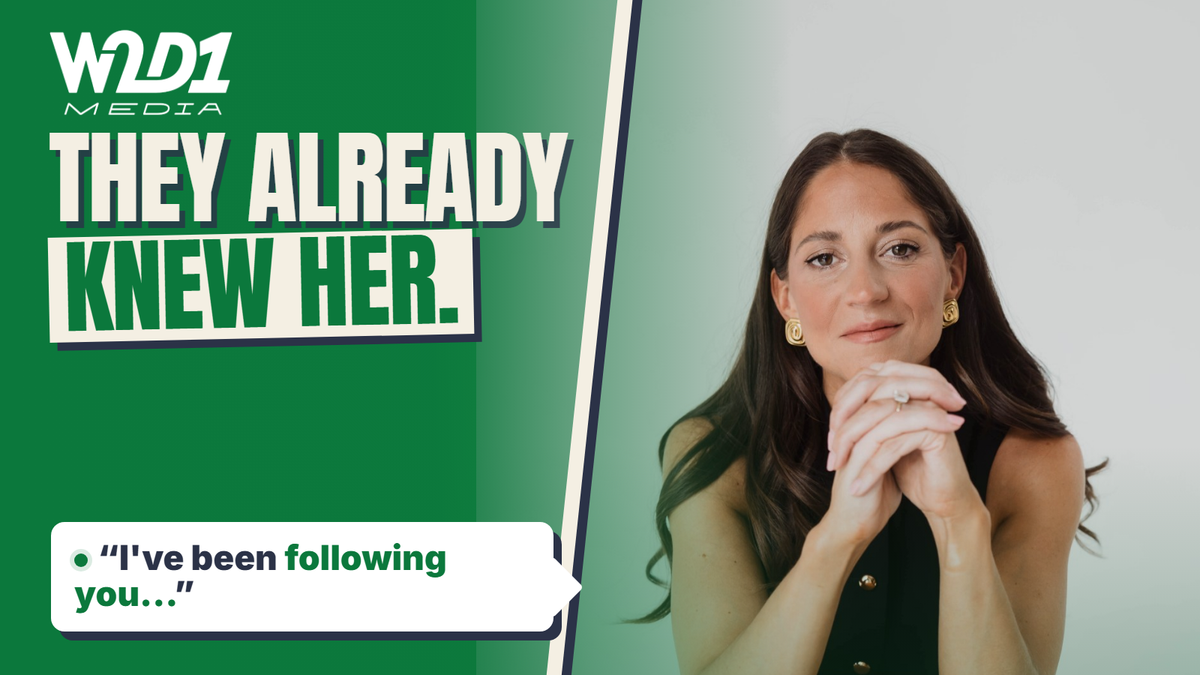
She said it took about two years before the effect became obvious. When she contacted founders through LinkedIn, even late in a competitive fundraising process, they often responded that they had followed her on X and wanted to speak with her. She described the response rate to this kind of cold outreach as close to 100 per cent.
The message was technically cold. The relationship no longer felt cold.
A voice people could recognise
Wischoff’s advice for building an audience is unusually direct.
Start with a narrow subject. Stay within that subject for roughly the first year. Keep posts short while people are still learning who you are. Most importantly, have an opinion.
Her criticism of conventional venture content was that too much of it said very little. Investors announced deals, repeated accepted wisdom or softened every view until nobody could object to it. Wischoff took the opposite approach. She shared what she thought while she was building the firm, including views that could later prove wrong.
This created tension and occasionally controversy. It also gave people a reason to follow.
The strategy worked because it matched her position. She was building a new firm while many of her readers were building new companies. Founders could see the effort, uncertainty and ambition involved. Other investors recognised opinions they held but did not feel comfortable expressing publicly.
Personal material came later. Once the venture positioning was established, she began sharing more about family, motherhood and the experience of building the firm. These posts made the account broader without losing its original identity.
Her online voice also benefited from humour and a willingness to participate in the culture of the platform. When investor Keith Rabois dismissed her as a “third tier VC”, the phrase became a meme. Wischoff eventually printed it on merchandise.
It would be easy to treat that incident as the event that created her audience. Her own figures suggest otherwise. She estimated it produced around 2,500 to 3,000 new followers. That is meaningful, but small against an audience approaching 100,000.
Most of the growth was slower. She estimated that consistent daily posting added about 70 to 100 followers a day. Fund announcements and viral posts created jumps, while the daily cadence did most of the work.
Forbes Australia reported that she had nearly 90,000 followers on X and 40,000 on TikTok when it profiled her.
Turning attention into access
Follower numbers explain the reach. They do not explain the commercial value.
Wischoff’s system worked because the audience contained people relevant to the fund: founders, investors, potential limited partners and others within the technology ecosystem.
The content reduced the amount of trust that had to be built during a first conversation. Founders had already seen her views, watched her interact with other people and followed parts of the firm’s development. That familiarity made it easier to secure a meeting and compete for an allocation.
Media did not complete the sale by itself. Wischoff still needed a credible investment strategy, strong fund performance and portfolio founders willing to recommend her. In the same interview, she pointed to the performance of her earlier funds and the importance of founder references when competing for deals.
Her distribution advantage opened doors. The investment product still had to withstand scrutiny.
This is where many personal-brand strategies become vague. Visibility is treated as an outcome, even when nobody can explain what the visibility is supposed to accomplish.
Wischoff could explain the job of her media clearly:
- Reach promising founders early.
- Increase the chance that they respond.
- Make the first conversation feel familiar.
- Help the firm compete with better-known funds.
That gave the publishing effort a way to earn its place inside the business.
The podcast came later
Wischoff experimented with email before developing a substantial podcast operation. Her original Substack, launched in July 2022, focused on the process of building a venture firm. Its public archive is sparse, suggesting the newsletter was not the main audience engine.
The podcast began with a clearer audience problem.
In November 2024, she announced First Money In. Founders regularly asked how to approach their first capital raise, so she designed a video-and-audio interview series around that question. Successful founders would explain how they raised their earliest rounds, including the mistakes and rejections that preceded the polished company story.
The first episode featured Public.com co-founder Leif Abraham. The format was immediately understandable: a recurring founder question, answered by people who had already lived through it.
That focus later broadened. By late 2025, Wischoff was promoting The Nichole Wischoff Podcast, covering areas including energy, construction, fertility and ageing. The show mixed founder interviews with her own commentary and was distributed through YouTube, Spotify and Apple Podcasts. Rho joined as the launch sponsor for the expanded version.
The newer positioning gave Wischoff more room to follow her interests and establish the firm across several investment categories. It also made the editorial promise less precise than the original First Money In concept.
Apple Podcasts lists 26 episodes, with the latest visible release dated 28 January 2026. As checked on 2 November 2026, the public feed shows an initial 26-episode run rather than an ongoing weekly release schedule.
Public evidence supports a narrower assessment of the platform. Wischoff built an effective personal distribution system that improved awareness and access for her venture firm. Podcast audience retention, sponsorship revenue, production economics and the number of deals directly attributable to her content remain unknown.
The Familiarity Flywheel
W2D1 Media calls the underlying pattern the Familiarity Flywheel: useful opinions, published consistently, create recognition; recognition builds familiarity; familiarity increases access; and longer-form media deepens the trust that short posts began.
The most useful lesson is the order in which Wischoff built.
She started with one channel, a defined audience and a subject she understood through direct experience. Her short posts developed the voice. Repetition created familiarity. Longer formats arrived once that familiarity existed.
A podcast launched at the beginning of this process would have faced a much harder distribution problem. Instead, each episode entered an existing network of followers, founders, investors and portfolio relationships. Guests also brought their own networks, extending that reach further.
Her approach also shows why a host’s point of view matters. Recording competent interviews is no longer scarce. A growing number of investors and founders operate podcasts with similar guests, production and subject matter. The host’s judgement, curiosity and accumulated relationship with the audience often determine whether anyone cares.
There are parts of Wischoff’s style that should be treated carefully. Deliberate provocation may suit her personality and the combative culture of venture Twitter. Copying the tone without the experience or conviction behind it would quickly feel manufactured.
The transferable elements are simpler:
- Publish useful opinions where the intended audience already spends time.
- Give the content a defined commercial or relationship function.
- Turn recurring audience questions into repeatable formats.
- Let the host develop a recognisable voice before investing heavily in production.
- Treat full episodes, clips, social posts and email as parts of one distribution system.
Nichole Wischoff’s platform began with daily posts and a willingness to let people see her thinking in public. The podcast expanded that relationship. It did not have to create it from scratch.
“It’s a warm relationship. They feel like they know you.”
— Nichole Wischoff, How I Invest
Hero photograph: Madeleine Johnson for Wischoff Ventures, via Forbes Australia.
Editorial note: This is independent W2D1 Media analysis based on publicly available interviews, profiles and podcast listings. It was not commissioned by, and does not imply endorsement from, Nichole Wischoff or Wischoff Ventures.